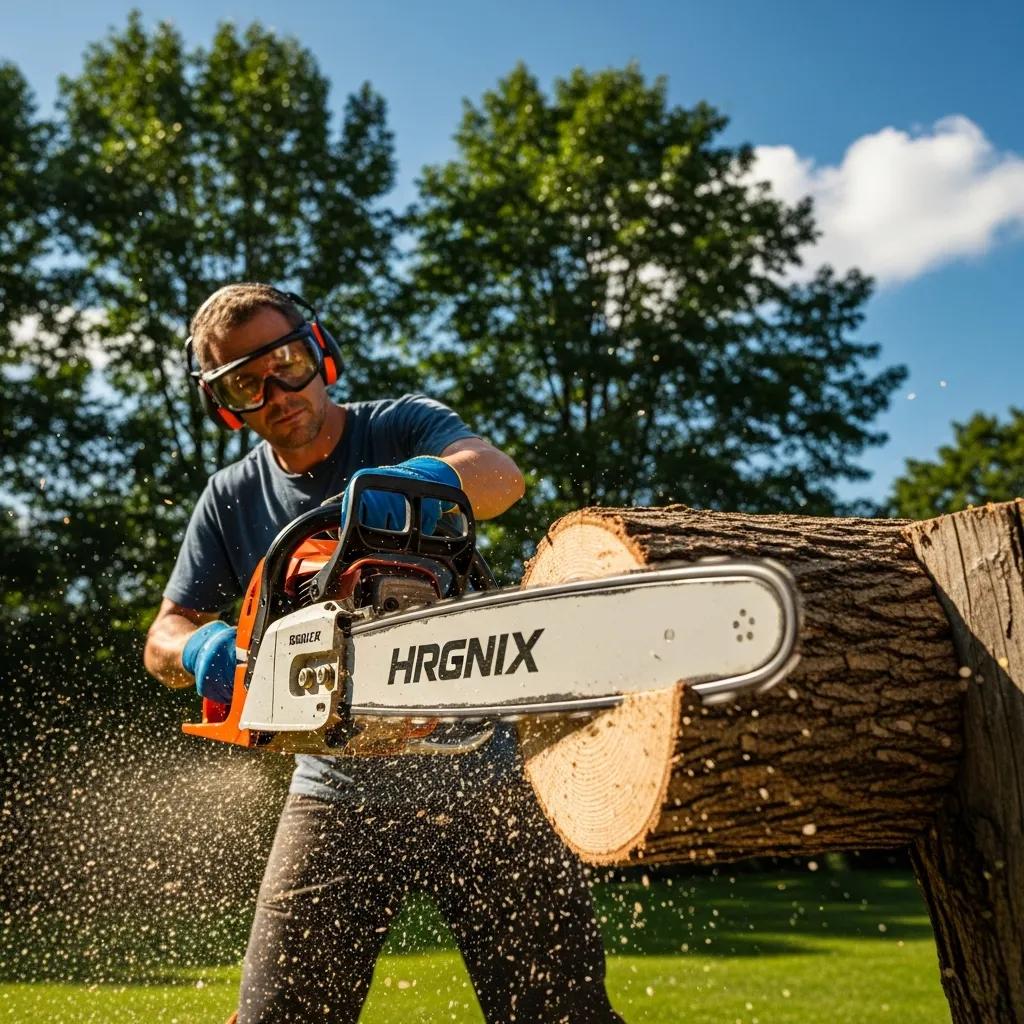
Best 16-inch Chainsaw: Top Picks for Homeowners — Your Ultimate Buying Guide
A 16-inch chainsaw balances portability with cutting capacity, making it a versatile tool for homeowners who need to prune, limb, or cut small to medium firewood. This guide explains what a 16-inch chainsaw is, who benefits most from this bar length, and how different power sources—gas, battery, and corded electric—affect performance and maintenance. Homeowners often ask whether a 16-inch chainsaw is big enough for tasks like storm cleanup and cutting firewood; this article answers that question and maps typical tasks to the right type of 16-inch tool. You’ll find curated model recommendations, clear buying criteria, and practical safety and maintenance routines designed for non-professionals. The guide covers best overall 16-inch chainsaws, top gas and battery models, corded electric options, a decision-focused buying checklist, and essential safety and upkeep to keep your saw reliable and safe.
Best overall 16-inch chainsaws for homeowners
A best overall 16-inch chainsaw is one that blends power, manageable weight, safety features, and minimal maintenance to suit typical homeowner workloads. These models perform well for pruning, small to medium logs for a backyard woodstove, and storm cleanup without overwhelming users with heavy vibration or complex tuning. Selection prioritized power-to-weight ratio, reliable chain systems, anti-kickback protection, and easy chain tensioning so homeowners spend less time adjusting and more time cutting. The following comparison table gives a quick snapshot of top overall picks and the attributes homeowners care about most to aid fast, side-by-side evaluation.
| Model | Power source | Weight (approx.) | Bar length | Key safety features |
|---|---|---|---|---|
| DeWalt 60V Max 16-inch | Battery (60V) | Moderate (around 12 lbs) | 16 in | Chain brake, tool-less tensioning |
| EGO Power+ 16-inch | Battery (56V equivalent) | Moderate (around 12 lbs) | 16 in | Automatic oiler, anti-vibration |
| Husqvarna 130 16-inch | Gas | Moderate (around 11.5 lbs) | 16 in | Chain catcher, anti-vibration |
What makes these models the best overall for home use
Top overall picks were chosen for a balance of usable cutting power, intuitive controls, and features that reduce typical homeowner friction like tool-less chain adjustments and low-vibration handles. Power-to-weight ratio matters because it determines how long a homeowner can cut comfortably; lighter cordless models with strong battery technology often beat older heavy gas saws for short sessions. Safety features such as chain brakes and anti-kickback chains are non-negotiable, especially when novices handle limbing and pruning around yards. Ease of maintenance—automatic oilers, accessible air filters, and standardized replacement bars/chains—keeps service time low, which is critical for homeowners who want reliable tools without frequent tuning.
The inherent dangers of chainsaw operation, particularly the risk of kickback, highlight the critical need for robust injury prevention measures and technical solutions in chainsaw design.
Chainsaw Kickback & Injury Prevention Measures
The use of portable chainsaws, however, poses a high risk of injury, especially with the phenomenon of kickback. Important European documents (e.g., 2006/42/EC) qualify these machines as a specific group, and assessing them for compliance with the essential applicable requirements (before placing them on the market) can be done with the participation of a third party (notified body). This paper presents the results of an analysis of the hazards posed by portable combustion chainsaws. A practical assessment was conducted of the effectiveness of the most relevant technical solutions used to protect operators from injury.
Analysis and laboratory testing of technical injury prevention measures for portable combustion chainsaws, 2020
Best 16-inch gas chainsaws for homeowners
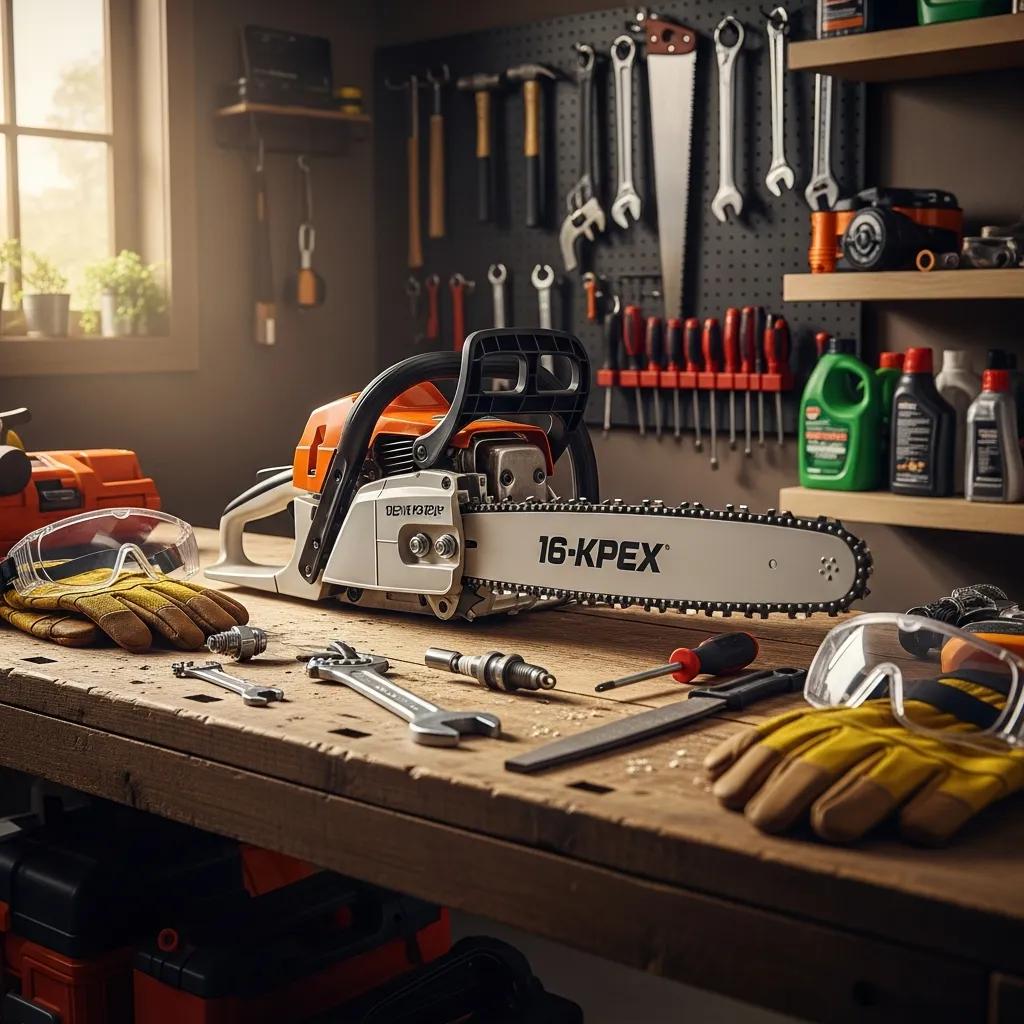
Gas 16-inch chainsaws remain relevant where long, continuous runtime and higher torque for tougher cuts are needed, such as cutting larger diameter firewood or extended storm cleanup. Gas models deliver immediate power and generally higher chain speed under load, which helps when cutting wet or knotty wood that can bog down smaller electric units. Homeowners who choose gas should expect periodic maintenance—fuel mixing (if two-stroke), spark plug checks, carburetor adjustments, and more intensive air filter maintenance—so factor ongoing service into long-term cost. Noise and emissions are important trade-offs; gas saws are louder and produce exhaust, so use them where ventilation and local rules allow.
| Power source | Pros | Cons | Ideal tasks | Maintenance needs |
|---|---|---|---|---|
| Gas 16-inch chainsaw | High torque, long runtime | Higher maintenance, louder | Cutting larger logs, remote jobs | Fuel mixing (if 2-stroke), carburetor tune, spark plug |
| Battery 16-inch chainsaw | Low maintenance, quiet | Limited runtime, battery cost | Pruning, light firewood, quick storm cleanup | Battery charging, occasional chain care |
Top gas-powered 16-inch models and standout features
Gas-powered 16-inch models stand out for torque, rapid cutting on larger sections, and durability under continuous use, making them suitable for homeowners with significant firewood needs. Key features homeowners should prioritize include an easy-start system to avoid repeated pulls, anti-vibration systems that reduce fatigue during long sessions, and an automatic oiler to maintain chain lubrication under load. Regular maintenance items include checking spark plugs, cleaning or replacing air filters, and ensuring proper chain tension after each use to prevent kickback and wear. For homeowners debating gas versus electric alternatives, the deciding factor is often whether sustained high-power cutting outweighs the additional maintenance and noise.
Best 16-inch battery chainsaws for homeowners

Battery 16-inch chainsaws are increasingly attractive to homeowners because they combine ample cutting power with low maintenance, quiet operation, and no on-site fuel handling. Modern cordless platforms—often advertised at voltages like 56V or 60V—deliver enough torque for routine pruning and moderate firewood cutting while keeping weight manageable. Battery saws remove the need for carburetor tuning and reduce start-up frustration; instead, homeowners manage battery charge cycles and spares. Charging time and having a spare battery are practical considerations: owners who plan multiple hours of work should budget for a charged backup battery or faster chargers to maintain continuous operation.
The following list summarizes why homeowners choose battery 16-inch chainsaws:
- Low maintenance: No carburetor or fuel mixing simplifies ownership.
- Quiet operation: Enables use in suburban settings with less noise disruption.
- Easy starting: Electric triggers or instant start remove pull cord frustrations.
Battery saws typically outperform corded options for portability, while still being lighter and easier to handle than many gas units. The following paragraph compares model-level advantages and runtime considerations to help select the right cordless option for your yard.
Leading cordless 16-inch models and why homeowners prefer them
Top cordless 16-inch models, for example platforms in the 56V–60V range, offer a strong balance of runtime and weight that suits pruning and repeated short cuts for firewood. Homeowners appreciate cordless chainsaws for tool-less chain tensioning, automatic oiling systems, and reduced vibration systems that make extended cutting sessions less fatiguing. Typical runtime depends on battery capacity and cut difficulty; many homeowners find that a single high-capacity battery handles light to moderate jobs, while two batteries cover longer chores. For buyers comparing the DeWalt 60V Max 16-inch and the EGO Power+ 16-inch, the choice often comes down to platform ecosystem—who already owns batteries—and ergonomics, not raw cutting power alone.
Best 16-inch corded electric chainsaws for homeowners
Corded electric 16-inch chainsaws provide consistent power for homeowners who work near an outlet and prefer a lighter saw without battery weight or gas maintenance. These models are ideal for small properties where extension cords are practical and for tasks like limbing, light firewood, and trimming at a steady pace without worrying about runtime. The primary safety consideration is cord management: use a grounded GFCI-protected outlet and heavy-duty outdoor-rated extension cords to prevent voltage drop and reduce trip hazards. Corded saws often cost less upfront and require the least mechanical maintenance, though they trade off mobility and depend on access to electricity.
Best practices for corded electric use include:
- Use a GFCI outlet: Protects against electrical faults while operating outdoors.
- Choose the right cord gauge: Prevents voltage drop that can reduce motor life.
- Keep cords behind you: Minimizes the chance of cutting the cord during operation.
Corded electric options are attractive for homeowners who prioritize cost-effectiveness and steady power over portability, and the next subsection lists notable corded models and the tasks they handle best.
Notable corded options and ideal tasks
Corded 16-inch saws excel at repetitive lighter work where power consistency matters and mobility is less of a concern, such as processing small logs near a garage or trimming multiple trees in a yard with accessible power. Key specs to compare include motor power (amps), cord length, and overall weight; higher-amp motors maintain chain speed under load. Safety practices must emphasize keeping the cord clear of the cutting path and using an adequately rated extension cord to avoid overheating. For homeowners deciding between corded and cordless, corded is often more cost-effective for occasional, small-scale wood processing when electrical access is easy.
Buying guide: How to pick the right 16-inch chainsaw for your home
Choosing the right 16-inch chainsaw comes down to matching typical tasks to power source, balancing weight vs. power, prioritizing safety features, and understanding maintenance commitments. Start by mapping your most common tasks—pruning, limb removal, occasional firewood, or frequent large-log cutting—and then decide whether the convenience of battery or corded models outweighs the sustained power of gas. Weight and ergonomics directly affect control and user fatigue; a lighter saw with anti-vibration handles often improves accuracy and reduces the chance of mistakes. The following table turns these key decision factors into actionable recommendations to simplify purchase choices for homeowners.
| Feature | Why it matters | Recommendation for homeowners |
|---|---|---|
| Power source | Determines runtime and maintenance | Battery for light/medium tasks; gas for heavy, long jobs; corded for nearby, consistent power |
| Weight & ergonomics | Affects fatigue and control | Prioritize lower weight and anti-vibration systems for frequent users |
| Safety features | Reduces accident risk | Look for chain brakes, anti-kickback chains, and chain catchers |
| Maintenance needs | Affects total ownership cost | Choose battery or corded for minimal upkeep; expect regular tune-ups for gas |
This decision matrix helps homeowners choose a 16-inch chainsaw by aligning task profiles with practical trade-offs. Next, a concise checklist provides step-by-step buying actions to secure the right saw and accessories.
Key decision factors: power source, weight, safety features, and maintenance
To turn features into a quick buying checklist, follow this sequential approach: evaluate your tasks, set a budget that includes batteries or fuel service, test handling ergonomics at a local dealer if possible, and confirm key safety features are present. Consider spare batteries or fuel storage for long jobs, and prioritize tool-less chain adjustments and an automatic oiler to reduce downtime. If you are asking “16 inch vs 18 inch chainsaw,” remember the extra bar length adds cutting capacity but also weight and complexity; for many homeowners a 16-inch saw is the practical sweet spot. Finally, include personal protective equipment and a sharpening kit in your initial purchase plan to maintain performance and safety.
Further emphasizing the importance of maintaining safety features and ensuring proper training, research indicates that many chainsaws in use, even among experienced operators, often lack critical safety components or have them in poor condition.
Chainsaw Safety Equipment, Maintenance & Training
The increasing use of chainsaws in rural areas has demanded the health of rural producers who operate these machines. Thus, the objective of this work was to evaluate the conservation conditions of chainsaws with a 2-stroke Otto Cycle engine and check if they meet NR12 Annex V, as well as confirm whether users meet NR31 in terms of training for use. The conservation condition of the machines was seen as worrisome. This is because it was found that 66.01% of machines did not have a saber guard and 49.51% of these were worn out.
Conservation conditions of chainsaws and electric chainsaws and safety of the farmers who operate these machines, 2021
- Match power source to tasks: Battery for convenience, gas for heavy work, corded for steady power.
- Prioritize ergonomics: Choose models that feel balanced and have anti-vibration features.
- Confirm safety features: Chain brake, anti-kickback chain, and chain catcher are essential.
After making a selection, many homeowners seek trusted, practical reviews and step-by-step product guidance.
For homeowners wanting structured reviews and hands-on comparisons, SawAdvise — an information hub run by Billy Williams — provides practical buying guides and model reviews that focus on homeowner needs and real-world testing. SawAdvise’s content emphasizes user-centered criteria like ease of maintenance, ergonomics, and task mapping for typical yards, which helps translate technical specs into actionable purchasing decisions. These site recommendations are designed to supplement your checklist with deeper model-level analysis and hands-on observations while keeping the buyer’s needs central to the advice.
Safety and maintenance essentials for 16-inch chainsaws
Safe operation and consistent maintenance keep a 16-inch chainsaw reliable and reduce accident risk; essential routines include daily pre-start checks, proper PPE use, correct chain tensioning, and regular sharpening. Begin each session by inspecting the bar and chain for damage, verifying chain tension and lubrication, and ensuring the chain brake and throttle safety work smoothly. Wearing appropriate PPE—cut-resistant gloves, eye protection, ear protection, and sturdy footwear—reduces injury risk and should be standard practice; seasonal storage and winterization also preserve saw components. The maintenance steps below present a concise after-use routine that homeowners can perform in minutes to extend saw life and maintain cutting performance.
Emphasizing the importance of safety and maintenance, historical guidelines underscore the necessity of proper procedures and personal protective equipment for all chainsaw operators, including homeowners.
Homeowner Chainsaw Safety & Maintenance Procedures
breakin and maintenance procedures. This holds true even for farmers and homeowners involved in getting wood. Personal protective equipment should be worn for the chainsaw operator’s safety.
Handbook for eastern timber harvesting, 1979
- Daily check: Oil level, chain tension, visible damage to bar/chain.
- After-use cleaning: Remove sawdust from sprocket and cooling fins to reduce wear.
- Sharpening schedule: Inspect chain sharpness every few hours of cutting; sharpen or replace as needed.
These practical steps reduce the likelihood of starting problems and excessive chain dulling, and they prepare the saw for the next session while reducing long-term repair costs. The following subsection provides a compact stepwise routine homeowners can follow after each use.
Essential safety practices and quick maintenance routines
After each cutting session perform a short, repeatable maintenance routine: shut the saw and allow it to cool, wipe debris from the guide bar and sprocket, check and top the bar oil reservoir, inspect chain tension and adjust if needed, and look for any loose or damaged fasteners. Sharpening basics include assessing tooth shape and filing to the correct depth and angle; when chain sharpening exceeds home capabilities, seek professional sharpening to maintain safety and cutting efficiency. Storage guidance includes draining fuel from gas saws for long-term storage, removing batteries for cordless units and storing them in a cool, dry place, and protecting corded saws from moisture. For homeowners who prefer step-by-step visual guidance, SawAdvise offers practical HowTo-style maintenance checklists created by experienced users that map directly to these routines and recommend frequency and basic troubleshooting.
- Maintenance frequency recommendations:
Before each use: Check oil, tension, and safety features.
After extended use: Sharpen chain and inspect sprocket/drive links.
Seasonal storage: Drain fuel for gas units and fully charge batteries before storage.
These routines protect both operator safety and the saw’s longevity, and they keep cutting performance consistent so homeowners can rely on a 16-inch chainsaw for years of yard work.